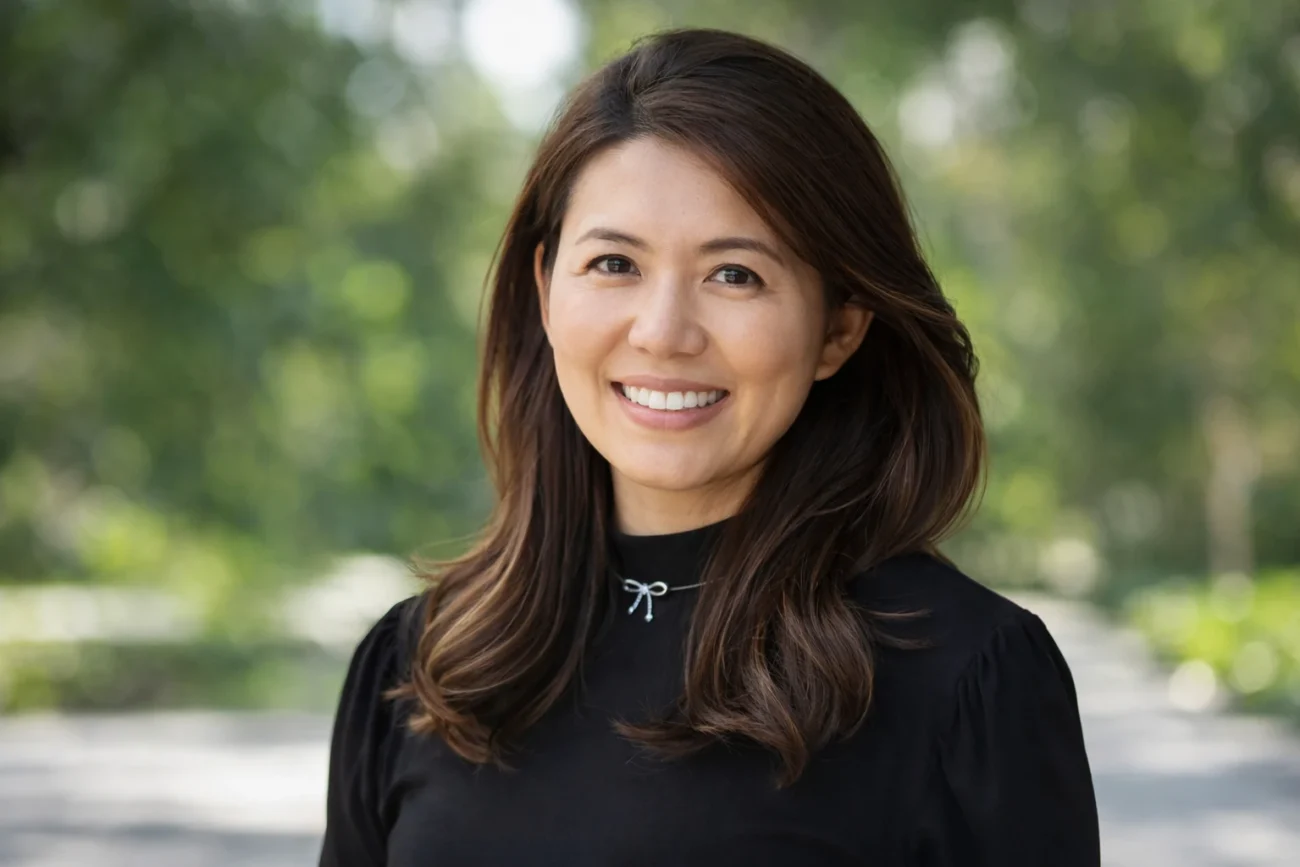
For someone whose name circulates widely online, Wendy Lang has built a life that is, by most measures, deliberately private. She is not a television personality, not a public speaker with a large media presence, and not someone who regularly appears in headlines. Yet her name surfaces often—usually because of her marriage to political commentator Cenk Uygur, and just as often because of her professional work as a therapist in Beverly Hills. The result is a curious kind of public visibility: widely searched, lightly documented, and frequently misunderstood.
The truth is simpler and more grounded than much of the internet suggests. Wendy Lang is a licensed marriage and family therapist who has spent decades working with children, families, and young adults. She runs a private practice in Beverly Hills, where her work focuses on emotional development, behavioral challenges, and the unique needs of gifted and twice-exceptional individuals. Her story is not one of celebrity ambition but of steady professional commitment—one that exists largely outside the spotlight that surrounds her husband.
Understanding Wendy Lang means stepping away from speculation and looking closely at what can be confirmed. Her life is best understood through her work, her training, and the limited but meaningful public record that reflects both.
Early Life and Cultural Background
Public information about Wendy Lang’s early life is limited, and that scarcity has fueled a fair amount of guesswork online. What can be said with reasonable confidence is that she has described herself as having Asian American heritage and being fluent in both English and Mandarin. That detail, while brief, helps explain aspects of her later professional work, particularly her outreach to bilingual families and international students.
There are references on her own practice site suggesting that she studied clinical psychology at Fu Jen Catholic University in Taiwan before continuing her education in the United States. This part of her background is not widely documented in independent sources, so it is best understood as self-reported rather than broadly verified. Still, it offers a glimpse into a cross-cultural upbringing that likely shaped her approach to therapy and communication.
What stands out is not a dramatic origin story but a steady academic path. Rather than entering a highly visible field early on, Lang appears to have pursued psychology with a clear intention: to work directly with people, particularly children and families, in a clinical setting. That focus would define her career from the start.
Education and Professional Training
Wendy Lang’s formal professional credentials are more clearly established than her early biography. She earned a master’s degree from the University of Southern California in 2004, a detail confirmed through her public profiles. USC’s programs in counseling and psychology are well-regarded, and her graduation marks the beginning of her documented career as a therapist.
Following her graduate work, Lang entered clinical practice, eventually becoming a licensed marriage and family therapist in California. Her license, listed publicly, confirms her standing as a regulated practitioner within the state. Over time, she built a reputation working with a wide range of clients, including children, adolescents, and adults.
Her training also extends into specialized areas. Lang has participated in programs connected to Supporting Emotional Needs of the Gifted (SENG), an organization focused on the emotional and psychological well-being of gifted and twice-exceptional individuals. She is described as a certified SENG Model Parent Group facilitator, a role that involves guiding structured discussions for parents navigating the challenges of raising gifted children.
That specialization is not incidental. It reflects a consistent thread in her work: a focus on populations that often fall between standard categories in education and mental health systems.
Building a Practice in Beverly Hills
Wendy Lang’s professional life is closely tied to Beverly Hills, where she operates Beverly Hills Child and Family Counseling. According to her own materials, she began private practice work years before formally establishing the counseling center, which later became the primary hub for her clinical work.
Her office, located on South Beverly Drive, serves a diverse client base. While Beverly Hills is often associated with wealth and celebrity, her practice materials emphasize everyday challenges: anxiety, depression, ADHD, family conflict, and developmental concerns. These are not niche issues but common struggles faced by families across different backgrounds.
Lang’s approach is rooted in evidence-based therapy methods, but she also places strong emphasis on adaptability. She describes using play therapy and art therapy with children, recognizing that younger clients often communicate more effectively through creative expression than through direct conversation. For older clients, including teens and adults, she incorporates approaches such as cognitive behavioral therapy, family systems work, and psychodynamic techniques.
Her work is not limited to one-on-one sessions. Group therapy appears to be a significant part of her practice, including support groups for teenagers and parents of gifted children. These groups provide structured environments where participants can share experiences and learn from one another under professional guidance.
Focus on Children and Families
One of the most consistent themes in Wendy Lang’s career is her focus on children and families. Her professional descriptions emphasize that children often express emotional distress through behavior rather than words, especially at younger ages. This insight shapes much of her therapeutic approach.
In practical terms, that means her sessions often involve more than conversation. Play therapy allows children to act out feelings in a safe environment, while art therapy provides another channel for expression. These methods are widely used in child psychology, but Lang’s materials suggest she places them at the center of her work rather than treating them as supplementary tools.
Family involvement is also a key component. Lang frequently works with parents alongside their children, helping them understand emotional patterns and develop strategies to support their child’s development. This approach reflects a broader view of mental health, one that sees individual struggles as part of a larger family system.
Her work also addresses transitional moments, such as divorce, grief, and major life changes. These events often disrupt family dynamics, and her role involves helping both children and parents navigate those shifts with greater stability.
Specialization in Gifted and Twice-Exceptional Clients
A defining feature of Wendy Lang’s practice is her focus on gifted and twice-exceptional individuals. The term “twice-exceptional” refers to people who are both gifted and have learning differences or disabilities, such as ADHD or autism. This group often faces unique challenges that are not always well understood in traditional educational or therapeutic settings.
Lang’s interest in this area appears to have developed through her clinical work. According to her own account, she noticed a significant number of her clients fit this profile and began studying the subject more deeply. That led to her involvement with SENG and the development of specialized programs within her practice.
Working with gifted clients requires a different approach than standard therapy models. These individuals may experience heightened sensitivity, perfectionism, or social challenges, even as they demonstrate advanced intellectual abilities. Lang’s work aims to address both sides of that equation, helping clients manage emotional difficulties while supporting their strengths.
Her group programs for parents reflect this specialization. These sessions provide a space for families to discuss shared challenges, learn from research-based frameworks, and connect with others facing similar situations. For many parents, this kind of support can be as important as individual therapy for their children.
Marriage to Cenk Uygur and Public Attention
Wendy Lang’s public visibility is closely tied to her marriage to Cenk Uygur, the founder of The Young Turks and a prominent political commentator. According to widely available records, the couple married in 2008 and have two children together.
Uygur’s career in media and politics has brought a level of attention that Lang herself does not actively seek. As a result, her name often appears in search results connected to his work, even though she maintains a separate professional identity.
What’s notable is how little she engages with that public spotlight. There is no significant record of her participating in political commentary or using her husband’s platform for visibility. Instead, her public presence remains tied almost entirely to her therapy practice.
This separation is not unusual but is worth noting. In many cases, spouses of public figures become public figures themselves, either by choice or by association. Lang appears to have taken a different path, keeping her focus on her clinical work and maintaining a relatively low profile.
Public Image and Online Misinformation
The gap between Wendy Lang’s actual public record and her online portrayal is striking. Many websites present detailed biographies that include specific personal information, financial estimates, and life stories that are not clearly sourced. These profiles often repeat one another, creating the impression of verification where none exists.
The truth is more restrained. Verified information about Lang centers on her professional credentials, her practice, and her marriage. Details such as her exact age, early family life, and financial standing are not consistently documented in reliable sources.
This pattern reflects a broader issue in online media. When a person becomes searchable but remains private, content creators often fill the gaps with assumptions or recycled claims. Over time, those claims can take on a life of their own, even when they lack a solid foundation.
For readers, the key is to distinguish between what is confirmed and what is simply repeated. In Lang’s case, the most reliable information comes directly from her professional materials and standard licensing records.
Business, Income, and Net Worth
Wendy Lang’s primary source of income appears to be her therapy practice. Her publicly listed session fees, around $300 per session for individuals and couples, place her within the higher range for private therapy in Beverly Hills. Group sessions, which are also part of her offerings, are priced separately and may provide an additional revenue stream.
That said, there is no publicly verified estimate of her net worth. Many online sources claim specific figures, but these numbers are not supported by credible financial disclosures or reporting. It is more accurate to say that her income is likely tied to her private practice, which operates in a high-income area and serves a specialized client base.
Her financial position may also be influenced by her household, given her husband’s media career. However, separating individual and shared finances is difficult without reliable data, and responsible reporting avoids speculation in this area.
Where Wendy Lang Is Now
Wendy Lang continues to practice as a therapist in Beverly Hills, offering both in-person and online sessions. Her work remains focused on children, families, and gifted individuals, with group programs and individual therapy forming the core of her services.
Her professional presence has remained consistent over time. She has not shifted into public commentary, media appearances, or broader branding efforts. Instead, she appears to have maintained a steady clinical career, adapting to changes such as the increased use of online therapy while keeping her core focus intact.
This consistency is part of what defines her public identity. In a media environment that often rewards visibility, Lang’s career reflects a different model—one built on sustained practice rather than public exposure.
Frequently Asked Questions
Who is Wendy Lang?
Wendy Lang is a licensed marriage and family therapist based in Beverly Hills, California. She is the founder and director of Beverly Hills Child and Family Counseling and works with children, families, and adults in a clinical setting.
Is Wendy Lang married to Cenk Uygur?
Yes, Wendy Lang is married to Cenk Uygur, the founder of The Young Turks. Public records indicate they married in 2008 and have two children together.
What does Wendy Lang specialize in?
Lang specializes in therapy for children and families, with a particular focus on gifted and twice-exceptional individuals. She also works with adults and couples, addressing issues such as anxiety, depression, and family conflict.
Where did Wendy Lang study?
She earned a master’s degree from the University of Southern California in 2004. Some information from her own site suggests earlier studies in clinical psychology at Fu Jen Catholic University, though this is less widely documented.
How much does Wendy Lang charge for therapy?
Her publicly listed rates are around $300 per session for individuals and couples. She is generally considered an out-of-network provider for insurance.
Does Wendy Lang have a public media presence?
No, she maintains a relatively low public profile. Her visibility comes primarily from her professional practice and her connection to her husband’s media career.
Conclusion
Wendy Lang’s story is not one of celebrity, even if her name often appears in that context. It is a story of professional focus, built around years of clinical work and a commitment to helping families navigate emotional challenges. Her career reflects a steady path rather than a dramatic arc, shaped by training, specialization, and direct work with clients.
Her connection to Cenk Uygur adds a layer of public interest, but it does not define her professional identity. If anything, her choice to remain largely outside the spotlight underscores the independence of her work and the boundaries she maintains between public and private life.
What stands out most is the clarity of her purpose. In a field that demands patience, empathy, and sustained effort, Lang has built a practice that reflects those qualities. Her work may not generate headlines, but it addresses the kinds of challenges that shape everyday lives.
That, ultimately, is why her story matters. It offers a reminder that influence does not always come from visibility. Sometimes it comes from the quieter, more personal work of helping people understand themselves and each other a little better.
