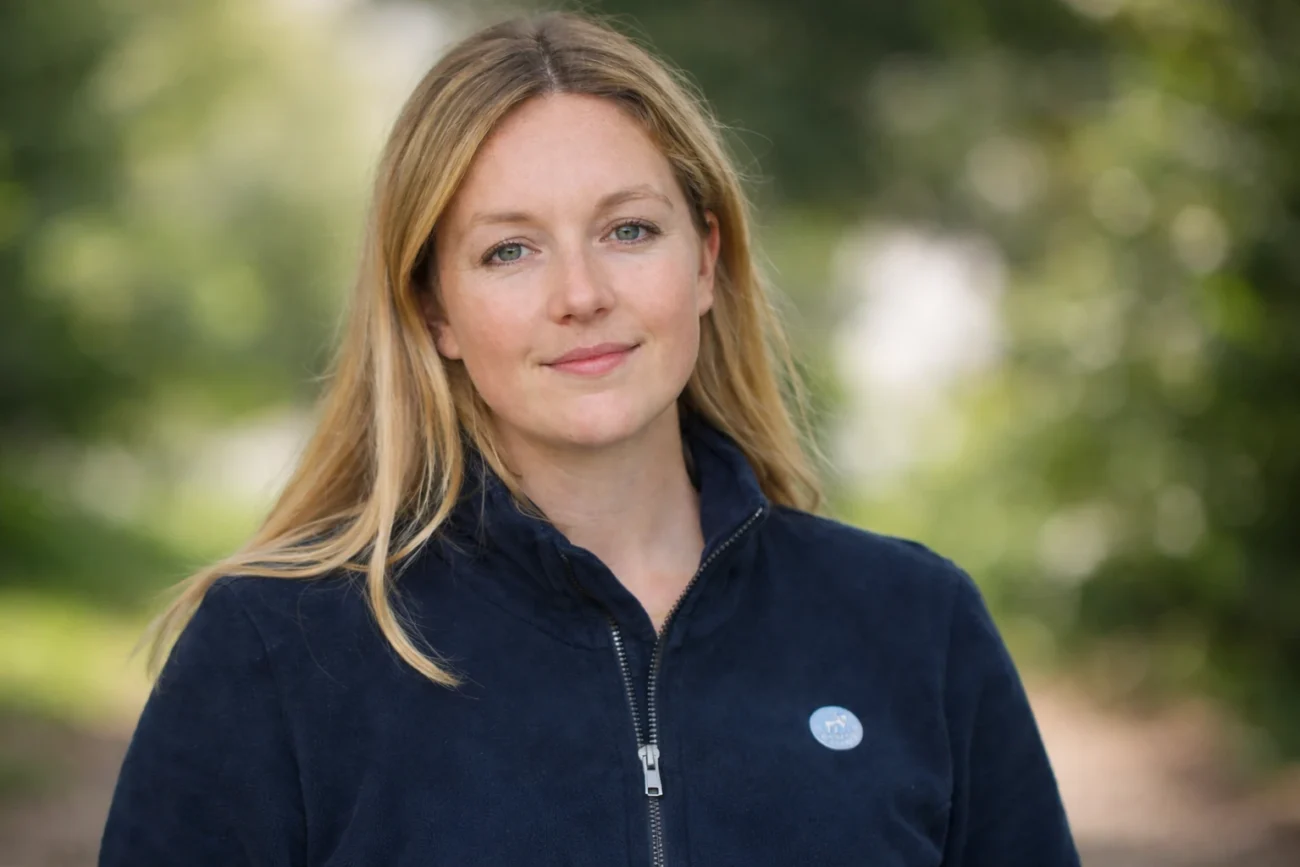
Felicity Tonkin’s name surfaces most often in the margins of royal history, a footnote that hints at a larger, more complicated story about family, privacy, and the limits of public curiosity. For many readers, she appears suddenly—linked to the British royal family through a decades-old paternity case—then disappears just as quickly into a life that has remained largely outside the spotlight. That contrast is what makes her compelling. She is connected to one of the most documented families in the world, yet she herself has chosen, or perhaps simply lived, a life that resists documentation.
To understand Felicity Tonkin is to understand both what is known and what has been carefully left unspoken. Her story is not one of celebrity in the usual sense. It is instead a case study in how public interest can fixate on a name while the person behind it continues quietly, building a life far from headlines.
Early Life and Family Background
Felicity Tonkin was born in New Zealand in the mid-1980s, a period that would later take on significance due to the circumstances surrounding her birth. She is the daughter of Heather Tonkin, a New Zealand art teacher, and Mark Phillips, a former British Army officer and Olympic gold medalist in equestrian sports. Phillips was, at the time, married to Anne, Princess Royal, the only daughter of Queen Elizabeth II.
Her early life was shaped by geography and circumstance. Raised in New Zealand, far from the British royal spotlight, Felicity grew up in an environment that was culturally and socially distinct from the world her father inhabited. There is little public record of her childhood beyond the basic facts of her parentage, which itself became widely known only after legal proceedings brought it into the open.
The defining moment in her early biography came not through personal achievement but through a legal dispute. In 1991, her mother sought formal recognition that Mark Phillips was Felicity’s father. Reports from the time describe a paternity case that attracted international attention, largely because of Phillips’s royal connection. A DNA test later confirmed his paternity, placing Felicity within the extended family of one of Britain’s most visible institutions, though not within its official structure.
A Royal Connection Without Royal Status
Felicity Tonkin’s connection to the British royal family is both clear and limited. Through her father, she is the half-sister of Peter Phillips and Zara Phillips—now Zara Tindall—who are the children of Mark Phillips and Princess Anne. Unlike her half-siblings, Felicity does not hold any royal title, nor has she ever been part of the formal royal household.
This distinction matters. The British royal family operates within a defined system of titles, duties, and public roles, and Felicity exists outside that system. Her relationship to it is biological rather than institutional, which has shaped how she is perceived and how much of her life is publicly known.
Over the years, media coverage has often framed her as a “secret daughter” or “hidden figure” within the royal narrative. But that framing says more about the media’s appetite for intrigue than it does about Felicity’s own life. The truth is simpler: she is a private individual whose connection to a public family has occasionally drawn attention.
Growing Up Outside the Spotlight
What stands out about Felicity Tonkin’s upbringing is how little is known in detail. Unlike her half-siblings, who grew up under constant public scrutiny, Felicity appears to have had a more conventional childhood. There are no widely documented accounts of elite boarding schools, royal engagements, or early media appearances.
This absence of information is not accidental. It reflects both her family circumstances and a broader effort to maintain privacy. Her mother, Heather Tonkin, was not part of the British aristocracy, and there is no evidence that Felicity was raised within the social circles that typically surround royal relatives.
That distance likely played a role in shaping her identity. Without the expectations that come with royal status, she would have had the freedom to pursue her own interests and career path. At the same time, the knowledge of her parentage—and the public attention that occasionally followed—must have added a layer of complexity to her experience.
Education and Professional Path
Public information about Felicity Tonkin’s education is limited, but there are credible indications that she pursued a career in veterinary science. Reports and professional listings suggest that she later became known as Felicity Wade, a qualified veterinarian based in Auckland, New Zealand.
This career choice aligns in an interesting way with her family background. Mark Phillips is an accomplished equestrian, and Princess Anne is known for her lifelong involvement in horse riding. Zara Tindall, Felicity’s half-sister, followed a similar path, becoming an Olympic equestrian. While Felicity did not enter competitive riding at a public level, her reported work in equine veterinary medicine places her within the same broader world.
Professional documents from veterinary practices in New Zealand have identified a Felicity Wade as a director and veterinarian, holding a Bachelor of Veterinary Science degree. These records, while not widely publicized, provide one of the clearest windows into her adult life. They suggest a career built on expertise and daily practice rather than public recognition.
Marriage and Personal Life
Felicity Tonkin’s personal life has remained largely private, but some details have emerged through indirect sources. She is believed to be married to Tristan Wade, a polo player, and to have taken the surname Wade. The couple is reported to have a child, though, as with much of her life, these details are not extensively documented in mainstream reporting.
What’s striking is how consistently her personal life has stayed out of the public eye. There are no widely circulated interviews, no social media presence tied to her name in a public-facing way, and no participation in the kind of events that typically generate coverage for those connected to the royal family.
This level of privacy is unusual given her background, but it appears to be intentional. It suggests a deliberate choice to separate her identity from the royal narrative that surrounds her father’s side of the family.
Public Perception and Media Narratives
Felicity Tonkin’s public image has been shaped almost entirely by her origin story. Media coverage tends to return to the same set of facts: the paternity case, her connection to Mark Phillips, and her status as a half-sister to Zara Tindall and Peter Phillips.
This repetition has created a narrow narrative that can obscure more than it reveals. By focusing on the circumstances of her birth, many articles overlook the reality that she has spent most of her life outside that story. The lack of new information has led some outlets to rely on speculation or recycled details, which can give the impression of a fuller biography than actually exists.
But here’s where the story becomes more interesting. The absence of constant media coverage has allowed Felicity to exist in a way that is increasingly rare for anyone connected, even distantly, to a high-profile family. Her life challenges the assumption that proximity to fame inevitably leads to public exposure.
Relationship with the Phillips Family
One of the most frequently asked questions about Felicity Tonkin concerns her relationship with her father and half-siblings. The public record offers only partial answers. It is known that Mark Phillips acknowledged her as his daughter following the paternity test, but details about their ongoing relationship have not been widely shared.
Similarly, there is little confirmed information about her interactions with Peter Phillips or Zara Tindall. Some reports suggest that the relationship has been distant, but these claims are often based on inference rather than direct evidence. Without statements from the individuals involved, it is difficult to draw firm conclusions.
What can be said is that Felicity’s life trajectory has been separate from that of her half-siblings. While they have been visible figures in British public life, she has remained rooted in New Zealand, focused on her career and family.
Financial Standing and Net Worth
There is no reliable public estimate of Felicity Tonkin’s net worth. Unlike her half-siblings, who have had business ventures, media appearances, and sponsorships that provide some basis for financial analysis, Felicity’s career has been in a professional field that does not typically attract public financial scrutiny.
Any figures that appear online should be treated with caution. Many are speculative and not supported by verifiable data. What can be inferred is that her income is likely tied to her work as a veterinarian and any associated business interests, rather than to inheritance or royal funding.
This distinction reinforces the broader picture of her life as one defined by personal career choices rather than by her connection to wealth or status.
Where Felicity Tonkin Is Now
As of recent years, the most credible information places Felicity Tonkin—under the name Felicity Wade—in Auckland, New Zealand, working in equine veterinary practice. Professional documents and listings support her role as a qualified veterinarian and, in some cases, as a director within a veterinary organization.
This current status aligns with the pattern of her life so far: steady, professional, and largely private. There are no indications that she has sought a public platform or attempted to engage with the media attention that occasionally resurfaces around her name.
Her story, as it stands, is ongoing but quiet. It unfolds not through headlines but through the routines of a career and family life that remain mostly out of view.
Frequently Asked Questions
Who is Felicity Tonkin?
Felicity Tonkin is the daughter of Mark Phillips and Heather Tonkin. She is known publicly because of her connection to the British royal family through her father, who was previously married to Princess Anne. Beyond that, she has lived a largely private life.
Is Felicity Tonkin related to the British royal family?
Yes, but indirectly. She is the half-sister of Peter Phillips and Zara Tindall, who are the children of Princess Anne and Mark Phillips. Felicity herself does not hold a royal title or perform any official royal duties.
What does Felicity Tonkin do for a living?
Available evidence suggests that she works as an equine veterinarian in New Zealand. Under the name Felicity Wade, she has been associated with veterinary practices in Auckland and appears to have built a professional career in that field.
Was Mark Phillips confirmed as her father?
Yes. A paternity test conducted in 1991 confirmed that Mark Phillips is Felicity Tonkin’s father. This followed a legal case brought by her mother, Heather Tonkin.
Is Felicity Tonkin married?
She is believed to be married to Tristan Wade, a polo player, and may use the surname Wade. However, detailed information about her personal life is limited and not extensively documented in public sources.
Does Felicity Tonkin have a relationship with her royal relatives?
There is no clear public record describing the nature of her relationships with her father or half-siblings. Some reports suggest limited contact, but these claims are not confirmed by direct statements from those involved.
Conclusion
Felicity Tonkin’s story is unusual not because of what is known, but because of what is not. She exists at the edge of a narrative that has fascinated the public for decades, yet she has never fully stepped into it. That distance has allowed her to shape a life defined by her own choices rather than by inherited attention.
Her connection to the British royal family ensures that her name will continue to attract curiosity. But the deeper story is about how she has remained, by most accounts, grounded in a profession and a place far removed from that world. It is a reminder that proximity to fame does not always lead to participation in it.
What stays with you is not the headline that first introduced her, but the quiet consistency of what followed. Felicity Tonkin’s life, as far as it can be known, is not a tale of royalty or scandal. It is a portrait of someone who, despite a complicated beginning, has kept her story largely her own.
